

Introduction
While Dubai is globally renowned for its futuristic skyline, the soul of the city lies nestled along the Dubai Creek in the Al Fahidi Historical Neighbourhood (formerly known as Al Bastakiya). This meticulously restored district is a living time capsule, offering a poignant glimpse into a Dubai before the discovery of oil. A visit here is not just a tour; it is an essential journey into the architectural, social, and mercantile origins of this global metropolis, providing a crucial context for understanding the remarkable trajectory of its growth.
The Architecture of a Bygone Era: Wind Towers and Coral Stone
The neighborhood’s labyrinthine alleys are lined with traditional Emirati buildings that are masterclasses in pre-air conditioning climate control. The most iconic features are the barjeels, or wind towers, which functioned as natural air conditioning systems. These tall, chimney-like structures captured the prevailing winds and funneled cool air down into the rooms below. The buildings themselves are constructed from traditional materials: coral stone and gypsum, covered with a signature dana (shell and limestone) plaster that gleams white in the sun. Wandering these narrow, shaded paths offers a tangible sense of the ingenuity required to thrive in the Gulf climate.
A Tapestry of Cultures: The Legacy of the Persian Merchants
The neighborhood’s history is a testament to Dubai’s long-standing role as a trading hub. It was originally established in the late 19th century by wealthy Persian merchants from the Bastak region, who were drawn to Dubai’s favorable trade policies. The architecture reflects this influence, particularly in the design of the wind towers. This multicultural foundation is a core part of the district’s story, highlighting that Dubai’s cosmopolitan identity is not a recent phenomenon but a continuation of its historical role as a welcoming center for commerce and cultural exchange.
Museums and Cultural Hubs: A Deep Dive into History
Al Fahidi is not a static museum but a vibrant cultural center. Key institutions include:
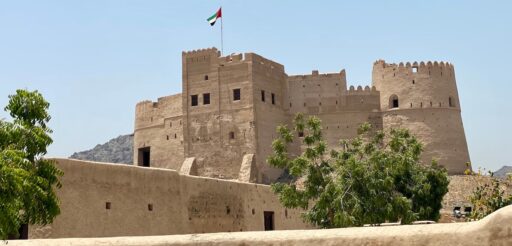
- The Dubai Museum: Housed within the Al Fahidi Fort, the city’s oldest existing building (c. 1787), this museum uses dioramas and exhibits to vividly depict traditional Bedouin life, pearl diving, and the dramatic transformation of the city.
- The Sheikh Mohammed Centre for Cultural Understanding (SMCCU): A vital institution that promotes cross-cultural dialogue. They offer guided tours, cultural meals, and the opportunity to engage in open Q&A sessions about Emirati culture and Islam.
- Specialty Museums: Smaller museums, like the Coin Museum and the Coffee Museum, offer fascinating, focused insights into specific aspects of regional history and daily life.
The XVA Gallery and Courtyard Cafés: A Modern Renaissance
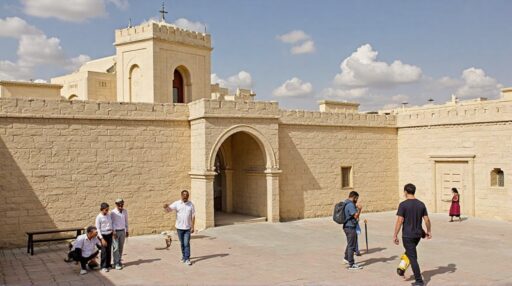
Integral to the neighborhood’s revival is its embrace of contemporary art and culture. The XVA Gallery, one of the region’s leading contemporary art galleries, is housed in a beautifully restored traditional courtyard house. The area is also dotted with charming art cafés and boutique hotels, often set around serene internal courtyards. This seamless blend of heritage and modernity ensures the district remains a dynamic and relevant space for both residents and visitors, where one can admire ancient architecture while enjoying a modern flat white.
Conclusion: The Heartbeat of Old Dubai
A visit to the Al Fahidi Historical Neighbourhood is an indispensable part of any trip to Dubai. It provides the “why” behind the “what.” It explains the mercantile spirit that built the city and offers a human-scale, intimate counterpoint to the grandiosity of Downtown Dubai. To walk from the quiet, winding lanes of Al Fahidi to the bustling abras (water taxis) on the Creek is to traverse the timeline of Dubai itself. It is a place that reminds every visitor that beneath the global city of glass and steel beats the heart of a humble, ingenious, and ambitious trading port.