

Introduction
While the western UAE is defined by desert and dazzling cities, a journey to the emirate of Fujairah on the country’s east coast reveals a dramatically different landscape and a unique historical narrative. Shielded by the rugged Hajar Mountains, Fujairah offers a glimpse into a more tranquil, nature-focused UAE, characterized by fertile wadis, a pristine coastline on the Gulf of Oman, and ancient forts that tell a story of tribal resilience. For the traveler looking to escape the beaten path, Fujairah is a rewarding destination of scenic beauty and deep, quiet history.
The Gateway to the East: Fujairah Fort and the Village of Madhab
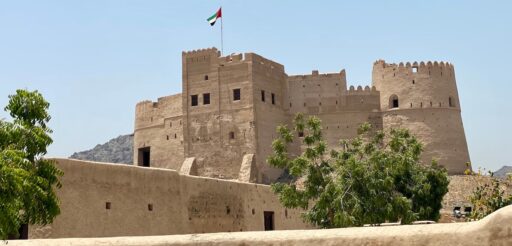
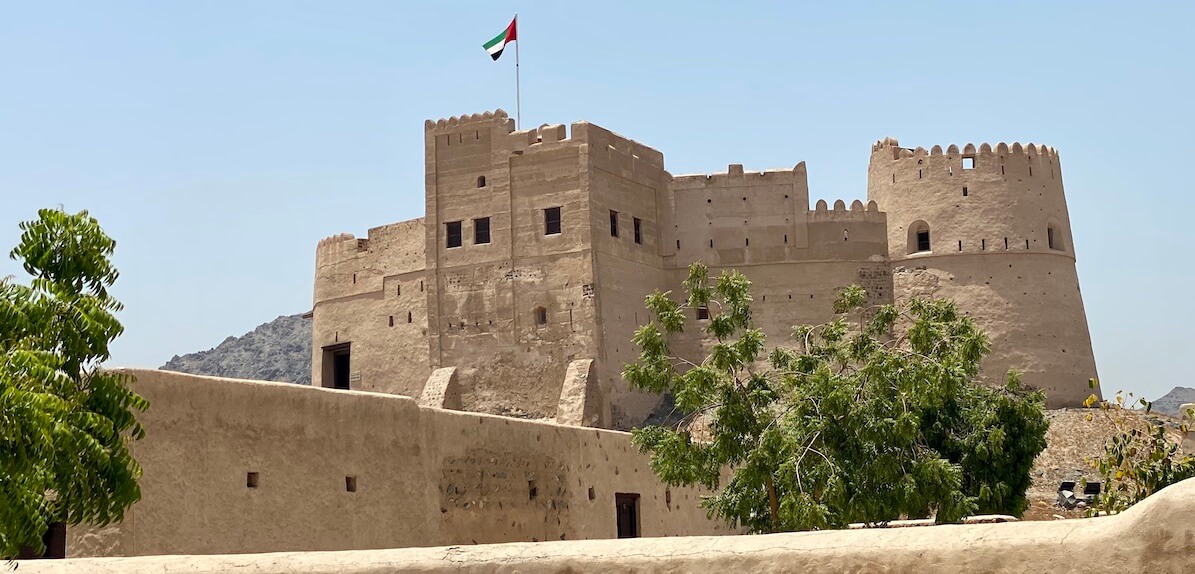
The most iconic landmark in the emirate is the majestic Fujairah Fort. Dating back to the 16th century, it is the oldest fort in the UAE and has been meticulously restored. Its three main sections, several halls, and two round towers stand as a testament to its strategic importance in defending the region’s vital agricultural land. A short drive away lies the Madhab Spring Park and the nearby Madhab Palace, the former residence of Fujairah’s ruling family. The area’s lush plantations, fed by natural springs, showcase the fertile potential of this mountainous region.
A Coast of Serenity: Al Badiyah and the Sandy Beaches
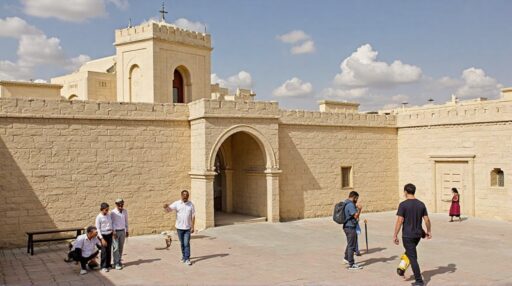
Fujairah’s coastline is a world away from the busy city beaches of Dubai and Abu Dhabi. Here, the Gulf of Oman offers quieter, rockier shores and stunning mountain-meets-ocean vistas. A must-visit is the coastal village of Al Badiyah, home to the UAE’s oldest known mosque. This simple, four-domed structure, built from mud and stone, is a humble and powerful site that reflects the early introduction of Islam to the region. Further north, the beaches of Al Aqah and Snoopy Island (named for its distinctive shape) are popular for snorkeling and diving, with vibrant coral reefs teeming with marine life.
The Mountains’ Secret: Wadi Wurayah and Wadi Al Warayah
For nature enthusiasts, Fujairah’s greatest treasures are its wadis (dry river valleys). The Wadi Wurayah National Park, a UNESCO-designated biosphere reserve, is a haven for biodiversity. Its dramatic canyon landscapes feature freshwater pools, waterfalls, and is home to rare species like the Arabian Tahr and hundreds of species of plants. A more accessible option is Wadi Al Warayah, known for its striking “magnetic rocks” and ancient petroglyphs (rock carvings) that offer a direct connection to the region’s prehistoric inhabitants. Hiking through these wadis provides a profound sense of peace and a connection to the raw, natural beauty of the UAE.
The Friday Market: A Local Tradition
No visit to Fujairah is complete without a stop at the “Friday Market” (Souq Al Juma), which, despite its name, is open every day. This traditional market is a vibrant local experience where you can find everything from fresh produce, dates, and local honey to handmade pottery, carpets, and souvenirs. The atmosphere is authentic and bustling, providing a wonderful opportunity to interact with locals and experience the traditional rhythm of commerce in the region.
Conclusion: The Other Side of the UAE
Fujairah offers a essential counter-narrative to the common perception of the UAE. It is a place of deep history, rooted in agriculture and mountain tribes rather than pearl diving and desert nomadism. Its landscape of dramatic peaks, fertile wadis, and tranquil beaches provides a stunning backdrop for exploration and reflection. A trip to Fujairah is a journey into the soul of the lesser-known UAE, rewarding the intrepid traveler with a sense of discovery and a deeper, more nuanced understanding of the nation’s diverse geography and heritage.