

Introduction
Nestled in the foothills of the Hajar Mountains, just a 90-minute drive from the coastal metropolises of Abu Dhabi and Dubai, lies Al Ain, the “Garden City” and the cultural heart of the UAE. A UNESCO World Heritage Site, Al Ain offers a profoundly different experience from its glittering counterparts. It is a city of oases, ancient forts, and majestic mountains that tells the story of the nation’s deep, pre-oil history. A weekend in Al Ain is a journey to the source, an immersion into the Bedouin heritage and sustainable living practices that formed the foundation of Emirati civilization.
The Al Ain Oasis: A Labyrinth of Life
Begin your exploration at the Al Ain Oasis, a sprawling 1,200-hectare UNESCO site and a stunning example of ancient agro-engineering. Here, you can wander on shaded pathways through a labyrinth of over 147,000 date palms, fed by a traditional falaj irrigation system that has been channeling water from the mountains for over 3,000 years. The gentle rustle of palm fronds and the dappled sunlight create a serene, otherworldly atmosphere. The oasis is a living museum of sustainable agriculture, demonstrating how ingenuity transformed a desert landscape into a fertile haven.
Jebel Hafeet: Summiting a Desert Monarch
No trip to Al Ain is complete without a drive up Jebel Hafeet, the UAE’s second-highest mountain. The 11.7-kilometer road to the summit is an engineering marvel in its own right, offering breathtaking, sweeping views of the city and the vast desert plains stretching into Oman. At the top, you can take in the panoramic vista, and on the way down, visit the Green Mubazzarah park at its base, where hot water springs emerge from the mountain, creating a popular spot for picnics and relaxation.
The Forts of Power: Al Jahili and Al Ain Palace Museum
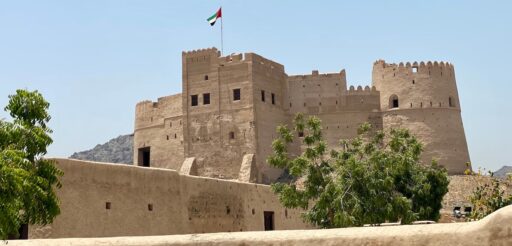
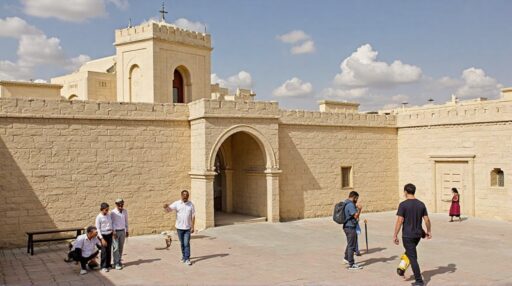
Al Ain’s strategic importance is etched in its fortifications. The magnificent Al Jahili Fort, one of the UAE’s largest, was built in the 1890s and has been beautifully restored. It now houses a permanent exhibition on the British explorer Sir Wilfred Thesiger and his crossings of the Empty Quarter. Nearby, the Al Ain Palace Museum was the former residence of the late Sheikh Zayed bin Sultan Al Nahyan, the founding father of the UAE. Walking through its courtyards and simple rooms offers an intimate glimpse into the humble origins of the nation’s leadership.
The National Museum and the Camel Market
For a deeper historical dive, the Al Ain National Museum displays a rich collection of archaeological finds from the nearby Hili tombs, including artifacts from the Umm an-Nar culture (c. 2500 BCE). For a more visceral cultural experience, visit the Al Ain Camel Market, one of the last remaining traditional livestock markets in the country. The sights, sounds, and smells here are a world away from the polished malls, offering a raw and authentic look at a trade that has been central to Bedouin life for millennia.
Conclusion: Reconnecting with Roots
A weekend in Al Ain is more than a sightseeing trip; it is a reconnection with the land and history that shaped the Emirati character. It provides the essential context for the UAE’s modern story, revealing a civilization of ancient farmers, ingenious engineers, and resilient Bedouins. The city’s tranquil oases, imposing forts, and majestic mountain landscape offer a restorative and educational escape. To understand the UAE, one must visit Al Ain—it is here that the nation’s deep roots are most tangibly and beautifully preserved.